Cannabis Drug Test Types — Complete Guide
Seven different biological specimens are currently used for cannabis drug testing. Each has different detection windows, different targets, different costs, and different contexts where it is used. This overview compares all of them.
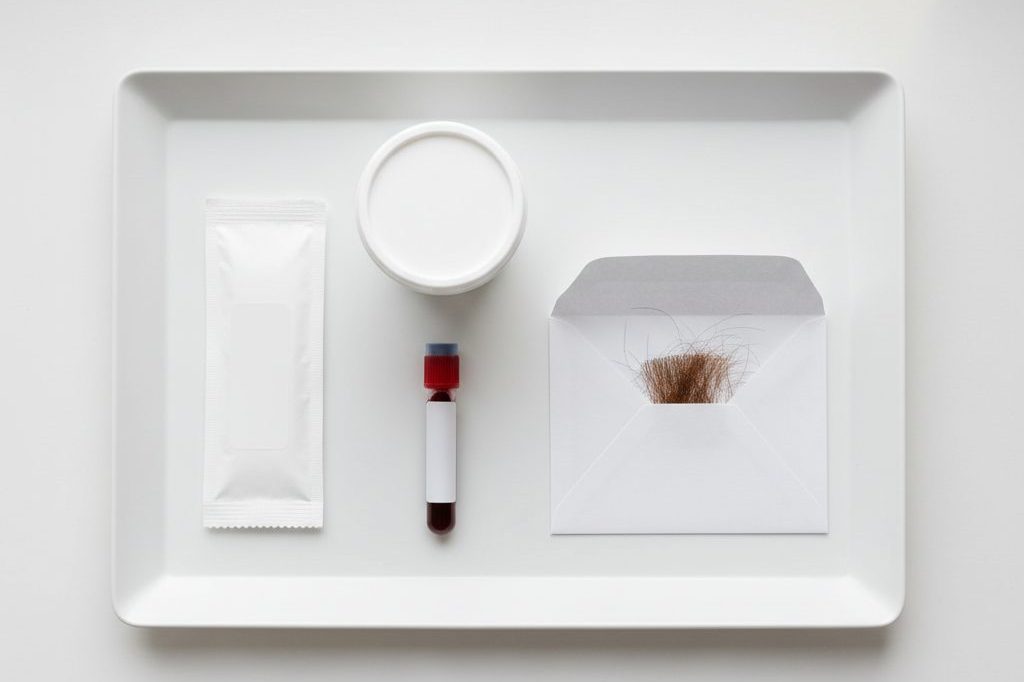
Quick Comparison Table
| Test Type | What It Detects | Detection Window | Primary Use | Cost Range |
|---|---|---|---|---|
| Urine | THC-COOH (metabolite) | 1–30+ days | Workplace, DOT, probation, sports | $5–150 |
| Blood | Parent THC, 11-OH-THC, THC-COOH | Hours to 30 days (chronic) | DUI, post-accident, research | $50–200+ |
| Saliva / Oral Fluid | Parent Δ9-THC | 12–72 hours | Workplace (growing), roadside | $15–100 |
| Hair Follicle | THC, THC-COOH in hair shaft | Up to 90 days | Private employers, custody | $75–150+ |
| Sweat Patch | Parent THC and metabolites | 7–14 days (continuous) | Probation, drug courts | $30–50 + lab fees |
| Fingernail | THC-COOH in keratin | 3–6 months (fingernails) | Family courts, alternative to hair | $75–200+ |
| Breathalyzer | Δ9-THC on exhaled breath | ~2–3 hours | Workplace (experimental) | ~$20 per test |
Urine is the Dominant Test
If you are facing a cannabis drug test in the United States, it is overwhelmingly likely to be a urine test. Urine dominates workplace testing, DOT testing, probation and parole, military, most professional sports leagues, and federal employment. Every other test type is either a specialized application (blood for DUI, saliva for roadside) or an alternative for specific situations (hair for private employers and custody cases).
There is nothing scientifically optimal about urine testing — it is used because it is logistically convenient: the collection is non-invasive, the sample is easy to handle, the immunoassay technology is cheap and widely available, and the detection window is long enough to catch anyone who used cannabis in the past week or two. The downside is that urine tests detect metabolite (THC-COOH), which means a positive result does not establish impairment. See THC vs. THC-COOH.
How Workplace Testing Typically Works
- Collection at a certified collection site. For federal (SAMHSA/DOT) testing, this uses specific chain-of-custody procedures and split-specimen collection (Bottle A and Bottle B).
- Initial screen by immunoassay. Fast, cheap, and presumptive. At the federal cutoff of 50 ng/mL for cannabis, this rules out the vast majority of negative specimens.
- Confirmation test by GC-MS or LC-MS/MS, only performed on specimens that screen positive. The federal confirmation cutoff is 15 ng/mL THC-COOH.
- Medical Review Officer (MRO) review. The MRO contacts the donor to ask about legitimate medical explanations. For cannabis, a state medical card does not qualify — see MRO Process.
- Verified result reported to the employer.
See Urine Drug Testing for the full workflow, cutoff levels, and what happens at each step.
Emerging Testing Technologies
The biggest shift on the horizon is the transition from metabolite detection to impairment-based testing. Two developments are worth watching:
DOT Oral Fluid Testing
The Department of Transportation authorized oral fluid (saliva) testing for federal workplace drug programs via a final rule effective December 5, 2024. However, as of early 2026, zero HHS-certified oral fluid labs exist — implementation has repeatedly slipped. Once operational, oral fluid testing will give employers a second legal option alongside urine and will favor more recent use detection. See Saliva / Oral Fluid.
Cannabis Breathalyzers
Hound Labs (Oakland, CA) and Cannabix Technologies (Vancouver, BC) have commercially launched cannabis breathalyzers for workplace use. These detect Δ9-THC on exhaled breath within approximately 2–3 hours of inhalation. No cannabis breathalyzer is yet approved for law enforcement use as of April 2026. See Cannabis Breathalyzers.
Choosing Between Tests — What Employers and Courts Consider
When an organization has flexibility in test selection, the choice usually reflects their priorities:
- "I want the longest possible detection window." → Hair follicle or fingernail testing
- "I need federally compliant workplace testing." → Urine (SAMHSA-certified labs)
- "I need to detect recent use specifically." → Blood or saliva
- "I need continuous monitoring during probation." → Sweat patch
- "I want something the donor cannot prepare for." → Hair follicle (though not approved for federal testing)
- "I need to prove current impairment at work." → No current test cleanly does this. Breathalyzers are closest.
Related Reading
- Detection Windows — how long each test can find cannabis
- What Actually Works — evidence review of clearance methods
- MRO Process — what happens after a positive test