Hydration and Dilution — How Labs Detect It
Excess water consumption temporarily lowers the concentration of THC-COOH per unit volume of urine, potentially pushing a positive result below the cutoff. This is the most common "beat the test" strategy. It works occasionally, but labs have specific protocols to detect it, and extreme dilution triggers mandatory observed recollection.
The Reality
Hydration can sometimes reduce urine THC-COOH below cutoff, but labs check creatinine, specific gravity, and pH. Extreme dilution is flagged as "substituted" or "dilute" and can trigger mandatory retesting under observed conditions. About 5% of all drug test specimens meet dilute criteria.
How Dilution Works Pharmacologically
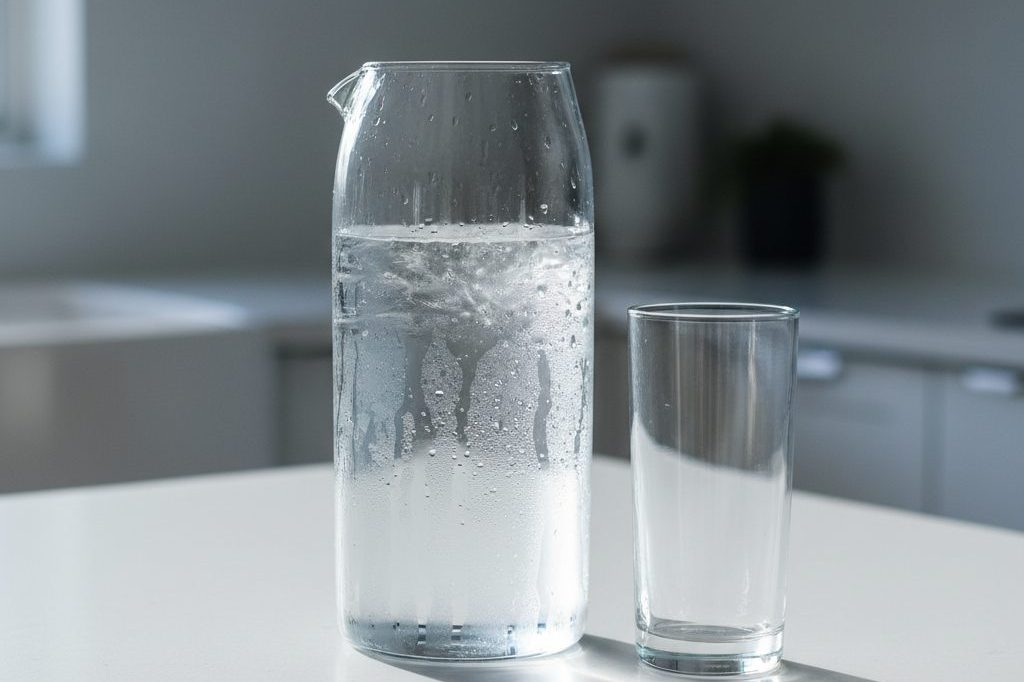
Urine drug tests report THC-COOH concentration in nanograms per milliliter (ng/mL). If you drink a large volume of water before your test, you produce more-dilute urine — the total amount of THC-COOH in your system has not changed, but it is now distributed across a larger volume, so each milliliter contains less.
If the concentration drops below the cutoff (50 ng/mL for federal testing), the test screens as negative. This is the basic mechanism behind both commercial detox drinks and the simpler "drink a lot of water" approach.
How Labs Detect Dilution
Labs are not naive about this. Every specimen undergoes specimen validity testing before or during the drug assay:
Creatinine
Creatinine is a waste product of muscle metabolism. Normal human urine contains 20–400 mg/dL of creatinine, and it is produced at a fairly constant rate. Excessive water consumption dilutes creatinine just as it dilutes THC-COOH.
- Below 20 mg/dL: Flagged as "dilute"
- Below 5 mg/dL: Triggers mandatory recollection (under direct observation for federal testing)
- Below 2 mg/dL: Classified as "substituted" — not consistent with human urine
Under 49 CFR § 40.197(b)(1), a DOT "extreme dilute" (creatinine 2–5 mg/dL) triggers mandatory recollection under direct observation. The observer watches urination directly. This makes over-hydration strategies self-defeating for DOT-regulated workers.
Specific Gravity
Specific gravity measures the density of urine relative to water. Normal urine ranges 1.003–1.030. Values below 1.003 suggest dilution. Combined with creatinine below 20 mg/dL, a specimen is classified as dilute.
pH
Normal urine pH is 4.5–8.0. Values outside this range suggest adulteration with acidic or basic substances.
Oxidants and Adulterants
Labs also test for specific adulterants including bleach, chromates, nitrites, glutaraldehyde, and iodine. These are used to try to destroy THC-COOH in the specimen — and they are all detectable.
What "Dilute Negative" Actually Means
If your specimen meets dilute criteria but still tests negative for THC-COOH, the lab reports it as "dilute negative." Depending on the context:
- Some employers treat this as a negative result
- Some employers treat it as suspicious and require retesting
- DOT regulated positions: extreme dilute (creatinine 2–5) triggers mandatory observed recollection
- Many private employers simply ask you to retest
Commercial Dilution Strategy: Detox Drinks
Commercial detox drinks use a specific approach:
- Drink a lot of water to dilute urine
- Add creatine monohydrate to artificially raise urinary creatinine and avoid the "dilute" flag
- Add B-vitamins to keep urine yellow (very dilute urine turns nearly clear, which is suspicious)
- Add herbal diuretics to increase urine output
This is a cosmetic dilution strategy dressed up with science-sounding extras. There is no peer-reviewed clinical evidence that detox drinks perform better than plain water at the same volume. See Detox Drinks.
The Honest Guidance
- Drink normal amounts of water. Normal hydration is fine; labs do not flag normal urine.
- Do not over-hydrate in the hours before a test. You will produce extremely dilute urine that may be flagged.
- Do not try to game creatinine levels. Taking large doses of creatine to "cover" dilution can actually raise red flags if the pattern is unusual.
- If your specimen is flagged as dilute, expect retesting. For DOT positions, expect observed recollection. Dilution is not a one-time free pass.
- Natural dilution happens. Roughly 5% of all specimens are flagged as dilute even without intentional over-hydration — people drink a lot of water or have fast kidney function. This is why labs tolerate some dilution without treating it as cheating.